




January 2021
Dr. Brandon Nelson Discusses Ball of Foot Pain, Neuromas and Capsulitis
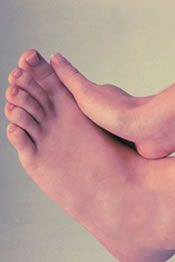
It is very common for our clinic to see patients that present with pain in the front of their foot. Often times patients have been dealing with this condition for months. Most patients will describe a burning or a feeling of walking on a bubble or that their sock feels balled up. There is usually no underlying injury and many patients will have a bunion with this foot type as well. The two most common diagnosis that encapsulate forefoot pain are 1. Capsulitis and 2. Neuromas.
Capsulitis refers to a general inflammation of a joint or a joint capsule. All joints are defined by where two bones come together, that share a common joint capsule with fluid inside and both bone ends are covered with cartilage. This joint capsule, fluid and cartilage allow gliding or motion to occur. Whether the joint is being overloaded or stressed can cause irritation, swelling, pain and sometimes stiffness. The most common spot for this to occur in the lower extremity is the second metatarsal phalangeal joint. This can be quite painful and make walking and exercise difficult. Most patients with this condition have an underlying unstable foot that causes the joint to be overloaded. It is important to see your foot and ankle doctor as this condition can lead to dislocation of the toe and chronic pain.
Neuromas are an irritation of the digital nerves of the foot. Most commonly patients describe a burning or lump in the front of the foot. This pain is often worse in shoes. The neuroma is usually between the 3rd and 4th toes and more often in females than males. We do not often see an underlying condition that causes neuromas. This is usually the result of ones anatomy and not related to the overall structure of the foot. Your foot and ankle doctor can typically diagnosis this with a physical exam and an x-ray or ultrasound.
If you are suffering from ball of foot pain, capsulitis or neuromas we can help. We combine the most advanced treatment options available with recent literature and have seen great relief from conservative measures. Do not continue to suffer call us today and we can help.
Give us a call today at 425-391-8666 or make an appointment online.
Dr. Timothy Young Talks About Post-op Foot Surgery Tips
We’ve discussed many of the things that need to be considered after foot surgery, including bunion surgery. One thing to think about is simple meal planning and getting groceries.
There are options such as planning all your foods and meals ahead of time. Try getting premade meals such as at Costco and keep them in the freezer so you can just put them in the oven and not have to prepare a full meal. Other options could include Uber eats or having a family member pick up other food to go. You can always ask a family member to make a meal for you also.
Don’t forget that many grocery stores have delivery options also. Amazon fresh is yet one more option.
Planning your meals ahead of time will really pay off later when you are recuperating from foot surgery!
If you are experiencing foot or ankle pain, please give us call today at 425-391-8666 or make an appointment online.
Dr. Timothy Young Talks More About Help After Foot Surgery
Regarding post-surgical home recommendations and ideas, don’t forget that there are things to do at home that we always forget or do not plan for. For example, taking your family members to appointments school or etc. This can be a tough one. If you’re the sole parent taking care of your children, then some people will wait until a relative or another family member can fly in to help out; or they may live close enough where they can simply come over as needed.
Foot surgery timing can sometimes work better with a college break - like Christmas break or summer break. Sometimes it’s a good idea to wait to have surgery until you have enough help that all your family’s needs can be taken care of but there’s also the needs of the surgery patient themselves. Discuss this with your surgeon, each different type of foot surgery and the recuperation and post op time off your feet or in a walking boot will be different.
If you are considering bunion surgery or other foot surgery, please let us know if you would like a surgical consultation.
Give us a call today at 425-391-8666 or make an appointment online today.
Dr. Brandon Nelson Discusses Bunion Surgery and What You Need to Know
.jpg)
People with a painful bunion often begin to contemplate bunion surgery. Bunion surgery is a great option for patients who are wish to relieve symptoms cause by bunions.
There are many different types of bunion surgeries. Bunion surgeries are based on the size of the bunion and the individual foot structure. The majority of bunion surgeries require and incision on the top of the big toe joint. The procedure then involves removing and realigning bone and soft tissue of the big toe joint. If any other foot issues are present, like a flatfoot, these should be fixed at the same time.
Scheduling an appointment to have your bunion evaluated is the first step. Dr. Nelson will discuss your x-rays and all of your options. He will present both conservative and surgical and help you determine what is best. Some common questions include:
-Surgery is done one foot at a time
-The majority of bunion surgeries are less than 2 hrs
-Patients are sedated during the procedure and this is done in the office
-Pain medication will be prescribed for when the nerve block wears off
-Walking without crutches is possible for most people
The recovery can vary from patient to patient. However, most people can bear weight after the procedure. It is important to follow all post-op instructions carefully. If you have a painful bunion and want to know what options are available and live in Issaquah, Sammamish, Snoqualmie, Bellevue, Seattle, Kirkland or Maple Valley give us a call so we can help.
Give us a call today at 425-391-8666 or make an appointment online.
Plantar Fasciitis
Plantar fasciitis is one of the most common causes of heel pain. The plantar fascia is the thick band of tissue that connects the heel bone to the toes. When this band of connective tissue becomes inflamed, plantar fasciitis occurs. Fortunately, this condition is treatable.
There are several factors that may put you at a greater risk for developing plantar fasciitis. One of the biggest factors is age; plantar fasciitis is common in those between the ages of 40 to 60. People who have jobs that require them to be on their feet are also likely to develop plantar fasciitis. This includes factory workers, teachers, and others who spend a large portion of their day walking around on hard surfaces. Another risk factor is obesity because excess weight can result in extra stress being placed on the plantar fascia.
People with plantar fasciitis often experience a stabbing pain in the heel area. This pain is usually at its worst in the morning, but can also be triggered by periods of standing or sitting. Plantar fasciitis may make it hard to run and walk. It may also make the foot feel stiff and sensitive, which consequently makes walking barefoot difficult.
Treatment for plantar fasciitis depends on the severity of the specific case of the condition. Ice massage applications may be used to reduce pain and inflammation. Physical therapy is often used to treat plantar fasciitis, and this may include stretching exercises. Another treatment option is anti-inflammatory medication, such as ibuprofen.
If you suspect that you have plantar fasciitis, meet with your podiatrist immediately. If left untreated, symptoms may lead to tearing and overstretching of the plantar fascia. The solution is early detection and treatment. Be sure to speak with your podiatrist if you are experiencing heel pain.
Location of the Plantar Fascia
 Pain and discomfort often accompanies the foot condition that is known as plantar fasciitis. It can occur as a result of an inflamed plantar fascia, which is located on the bottom of the foot. The Plantar fascia is a portion of tissue that connects the heel to the toes and is crucial in completing basic foot movements. Plantar fasciitis can develop from standing on hard surfaces for extended periods of time throughout the day, overuse, or from a sudden weight gain. Common symptoms can include heel pain after arising in the morning and difficulty walking. It is beneficial to properly stretch the feet before and after exercising, as this may be helpful in preventing plantar fasciitis. If you are afflicted with this condition, please consult with a podiatrist to learn about treatment options.
Plantar fasciitis is a common foot condition that is often caused by a strain injury. If you are experiencing heel pain or symptoms of plantar fasciitis, contact the podiatrists from Issaquah Foot & Ankle Specialists. Our doctors can provide the care you need to keep you pain-free and on your feet.
What Is Plantar Fasciitis?
Plantar fasciitis is one of the most common causes of heel pain. The plantar fascia is a ligament that connects your heel to the front of your foot. When this ligament becomes inflamed, plantar fasciitis is the result. If you have plantar fasciitis you will have a stabbing pain that usually occurs with your first steps in the morning. As the day progresses and you walk around more, this pain will start to disappear, but it will return after long periods of standing or sitting.
What Causes Plantar Fasciitis?
- Excessive running
- Having high arches in your feet
- Other foot issues such as flat feet
- Pregnancy (due to the sudden weight gain)
- Being on your feet very often
There are some risk factors that may make you more likely to develop plantar fasciitis compared to others. The condition most commonly affects adults between the ages of 40 and 60. It also tends to affect people who are obese because the extra pounds result in extra stress being placed on the plantar fascia.
Prevention
- Take good care of your feet – Wear shoes that have good arch support and heel cushioning.
- Maintain a healthy weight
- If you are a runner, alternate running with other sports that won’t cause heel pain
There are a variety of treatment options available for plantar fasciitis along with the pain that accompanies it. Additionally, physical therapy is a very important component in the treatment process. It is important that you meet with your podiatrist to determine which treatment option is best for you.
If you have any questions, please feel free to contact one of our offices located in Issaquah, WA . We offer the newest diagnostic and treatment technologies for all your foot care needs.
Check if allow_url_fopen is enabled on your server. It is mandatory. If not then you must activate it. Contact with your Server Admin / Hosting Provider.
Steps to enable allow_url _fopen :
allow_url_fopen = on
allow_url_include = on.
Add it to php.ini settings.
Google Business Reviews Error Notice!
Read Below Steps Carefully :
1. Check your API key and PLACE id. May be it is not right. Make sure it is correct one.
2. This message commonly shows when api key is exceeded daily request quota for this API or there is no active billing account for this API. Because according to Google there is a limit for free API key. If it exceeds they ask for billing.
3. To know more about Google Pricing , Check here : Google Pricing
4. You can create your Google API key here
5. Must use a right PlaceID. Get PlaceID here
6. One important thing, Don't forget to add billing account to Google. Must check what Google says here
7. If you still find issue , then check first if your Business registered with Google or not. Read more about it here
8.Still find issue, then contact developer : info@aaextensions.com or ashik685@gmail.com
