




November 2021
Arthritis Can Cause Pain in the Feet and Ankles

If you are suffering from tenderness, pain, or stiffness in the joints of your feet or ankles, call us to schedule an appointment.
Dr Brandon Nelson, A Board Certified Physician & Surgeon, Discusses Surgery For Heel Pain/Plantar Fasciitis
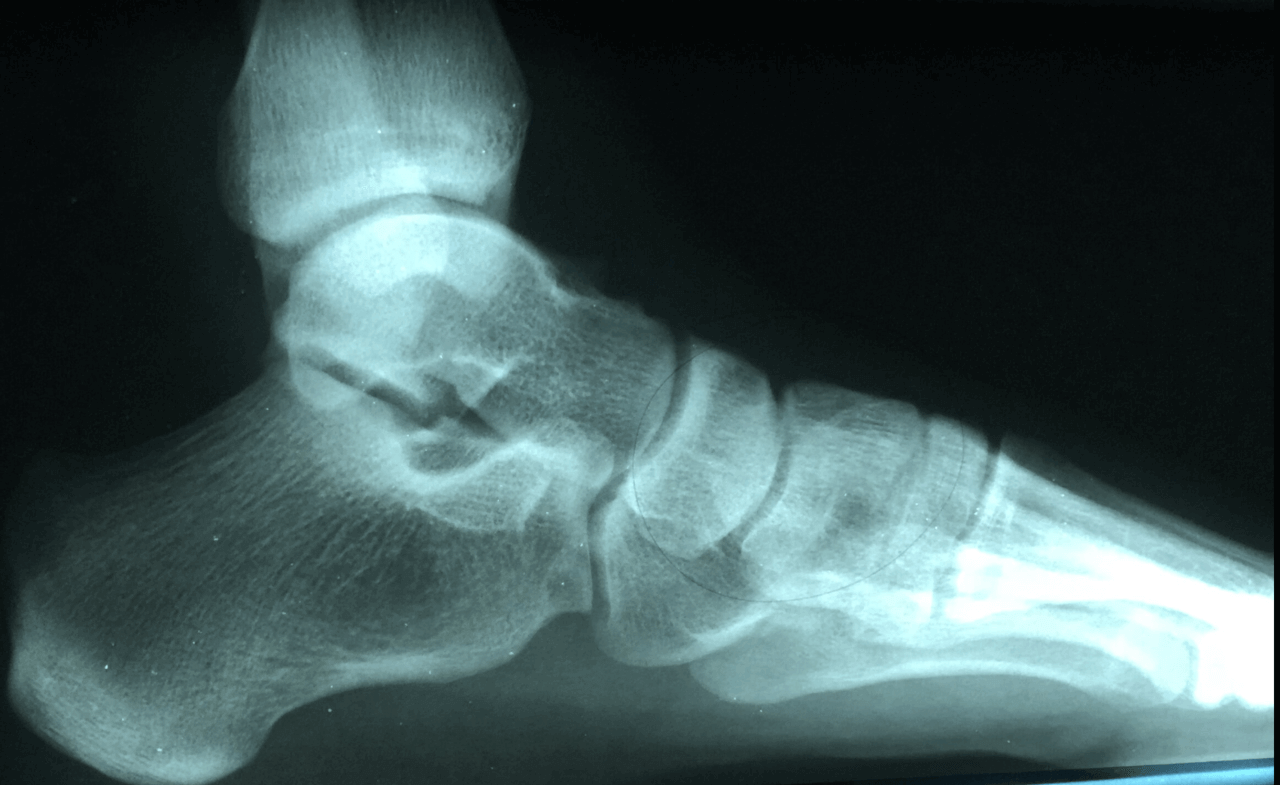
With heel pain affecting so many Americans, surgery is a common question I receive in the office. Most people that are curious about surgery have suffered from heel pain for months or even years and have tried all the conservative measures. They have tried things like orthotics, injections, splints, physical therapy and are still having pain. The discussion of surgery is an appropriate next step but at my office we have a few options that most physicians do not offer.
Surgery for heel pain or plantar fasciitis is highly successful and there are a few different procedures, but all have similar results. Many of the surgeries involve cutting or releasing the fascia and stimulating the biology of the body. The stimulating of the biology is important as it will increase blood supply and help with healing. Another procedure that has been in the current research is a gastric recession. This is where you lengthen a fascial type of structure in a patients leg to help reduce the pull of the Achilles tendon. Lately this has received a lot of attention and is showing very promising results.
I think a discussion on biology is important for this blog as well. Part of the long-term problem is chronically inflamed tissues. One’s fascia becomes chronically irritated and if you change the biology, you can usually fix the problem. I have developed a protocol and technique that is non-surgical that helps to stimulate your bodies own natural healing techniques and fixes most of the plantar fasciitis permanently. If you are suffering from heel pain I can help make and appointment today. Give us a call today at 425-391-8666 or make an appointment online.
Dr. Timothy Young, a Board-Certified Surgeon Talks About Finding the Best Foot Surgeon to Treat Your Bunions
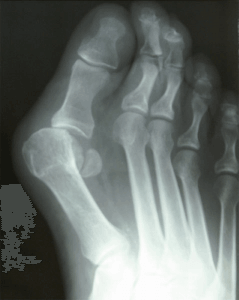
Bunion surgery is something not to take lightly. Bunions can be very painful, and they can be hard to treat. This is a structural problem with the first metatarsal and related joints. It is a condition that is often genetic and at the foot type that is prone to bunions is inherited. So, some individuals will have bunions at a very early age, and we call this a juvenile onset bunion. These tend to progress much quicker than those that develop later in life. Again, it's common to have other family members with bunions because of the common foot structure that is prone to this.
Foot-Strengthening Exercises for Runners

Having strong and flexible feet is very important for every runner because the feet bear 2-3 times our body weight at the first point of contact with the ground while running. Strengthening the feet with the following exercises will help with flexibility, stability, and proper foot alignment. First, kneel on the floor, sit back on your heels and have your toes curled underneath you. Rock side to side on your toes to give them a good stretch, and then come up on all fours into a down-dog position and press your heels down. Repeat the cycle five times. Another good exercise is to stand with a ball under the base of the toes on one foot. Apply your weight to the ball, and then slowly curl your toes to grip the ball and then extend your toes straight. Do this ten times. You can then move the ball underneath the ball of the foot and curl the foot and toes around the ball and then extend straight. Repeat this ten times as well, and then switch to the other foot. You can also strengthen the toes and feet by standing with your feet hip length apart. Raise just your big toe on one foot and hold it there for two seconds while the other toes stay on the ground. Then, place the big toe down and raise the other toes, holding them there for two seconds. Be careful not to let the foot roll inward. Repeat this twenty times before switching feet. For additional foot exercises and advanced tips on keeping your feet healthy as a runner, contact a podiatrist.
All runners should take extra precaution when trying to avoid injury. If you have any concerns about your feet, contact the podiatrists of Issaquah Foot & Ankle Specialists. Our doctors will treat your foot and ankle needs.
How to Prevent Running Injuries
There are a lot of mistakes a runner can make prior to a workout that can induce injury. A lot of athletes tend to overstretch before running, instead of saving those workouts for a post-run routine. Deep lunges and hand-to-toe hamstring pulls should be performed after a workout instead of during a warmup. Another common mistake is jumping into an intense routine before your body is physically prepared for it. You should try to ease your way into long-distance running instead of forcing yourself to rush into it.
More Tips for Preventing Injury
- Incorporate Strength Training into Workouts - This will help improve the body’s overall athleticism
- Improve and Maintain Your Flexibility – Stretching everyday will help improve overall performance
- “Warm Up” Before Running and “Cool Down” Afterward – A warm up of 5-10 minutes helps get rid of lactic acid in the muscles and prevents delayed muscle soreness
- Cross-Training is Crucial
- Wear Proper Running Shoes
- Have a Formal Gait Analysis – Poor biomechanics can easily cause injury
If you have any questions, please feel free to contact one of our offices located in Issaquah, WA . We offer the newest diagnostic and treatment technologies for all your foot care needs.
Preventing Running Injuries
Over half of all runners encounter at least one injury per year. The reason for this is because many runners do not train properly. Injuries are almost inevitable due to the physical stress that running causes. While our bodies are great at adapting to the stress, it can only handle it in small doses. Injuries occur when the stress is applied too quickly for the body to handle, causing something within it to break down. With each step you take, your leg is absorbing two or three times your body’s weight.
Some of the most popular running injuries are shin splints, plantar fasciitis, Achilles tendinitis, and stress fractures. Shin splints cause pain along the inside or outside of the shins, and this pain is usually felt at the beginning of a run. The condition itself is defined as an inflammation of the muscles or tendons located around the shinbone. To treat shin splints, it is advised that you ice the shin area and stretch the calf muscles. To prevent this injury, you should slowly increase the distance you plan on running, instead of jumping into a more strenuous routine.
Achilles tendinitis is another common injury and it feels like pain along the back of the leg, toward the heel. This condition is defined as an inflammation of the Achilles which is the largest tendon in the body. The Achilles is responsible for connecting your calf muscles to the heel bone and it is caused by tight calf muscles. If you want to treat this injury, you should take a break from running to cross train with a low-impact activity.
There are a lot of common mistakes runners make that are causing them to experience injury. One mistake is stretching too much prior to warming up. If you plan to go on a run, you should warm up with a gentle 3-5-minute walk followed by a 5-minute run-walk. Another common mistake is jumping into a routine too quickly. Consequently, you should incorporate cross-training into your routine. If you are looking to get active, you should slowly weave running into an activity you are currently participating in. For example, you can try bike riding for 40 minutes followed by a 10-minute run.
Another way to prevent running injuries is to choose shoes that are appropriate for running. There are certain things you should look for when buying a new pair of running shoes. An important factor in these sneakers is flexibility. Running shoes should be capable of bending and flexing at the forefoot. However, you should not be able to bend the entire shoe in half with ease because this is a sign that the shoe does not have enough structure. Additionally, you should look for the fit of the running shoes you want to purchase. It is best to visit a specialty running shoe store to have your feet properly sized. Choosing shoes that fit properly can prevent many foot ailments.
If you are suffering from any pain from running injuries, you should make an appointment with your podiatrist to discover the underlying cause of your pain. He or she will be able to help treat your condition in the best way possible.
Dr Brandon Nelson, A Board-Certified Physician and Surgeon, Discusses Bunion Pain
.jpg)
Bunions can become extremely painful especially with exercise and shoe gear. The bunion itself becomes uncomfortable when the bone begins to protrude out of normal alignment. Many people wonder what has caused the bunion itself and why it is now painful. We will explore both of these thoughts and I will provide some insight as to what can be done.
Bunions we know are primarily a hereditary foot structure issue. What I mean by that is the foot structure or foot alignment is what causes the bunion. You inherit your foot from your family genetics and often the foot type you inherit may lead to a bunion. There is usually a family history of bunions, and this can often skip generations. There is a portion of the bunion as well that can be exacerbated by environmental factors. Shoe gear, i.e high heels can put more pressure on the front of your foot increasing bunion formation. Other factors include things like exercise or really anything that increases foot pressures. Even injury and trauma have been associated with bunion development. The bunion is a complex pathology that has both generic and environmental factors that lead to its formation.
Pain, pain is by far the most common reason people come to the doctor. The most frequents spots for bunion pain are right near the knuckle of the big toe or under the 2nd toe. The knuckle of the big toe, or technically the first metatarsal head begins to protrude out and cause pressure with shoe gear. This gets worse with time as the bunion gets bigger. The 2nd metatarsal or 2nd toe becomes painful as the bunion gets bigger and the foot less stable.
If you have a bunion and would like to schedule a consultation, call 425-391-8666 or make an appointment online.
Dr. Timothy Young, a Board Certified Surgeon Talks About Midfoot Arthritis.
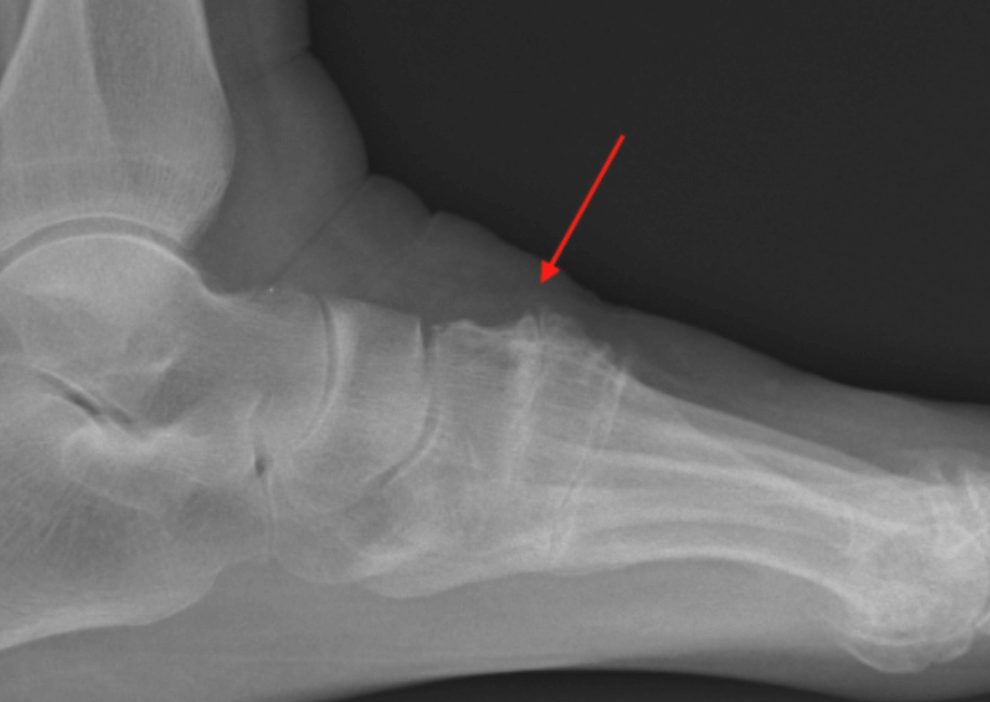
As we all get older there will always be some degenerative arthritic changes. One of the more common type is degenerative joint disease. This primarily affects the weightbearing joints of the body including the foot. In addition to normal wear and tear, some individuals have a foot structure that is much more prone to increased and disproportionate stress loads through the midfoot. The stress loads are one of the biggest factors leading to long-term arthritis of the foot. For example, an individual that has a large bunion, will often have poor mechanics and weightbearing function of the first metatarsal-this bone is designed to bear up to half the weight of the whole foot especially through propulsion and push off during gait. When this does not happen, a disproportionate stress load goes through the next in line second metatarsal. Eventually that stress load can manifest at the base of the second metatarsal where it articulates with the second cuneiform.
Over time this increased and disproportionate stress load causes premature and excessive wearing through this joint. Initially there is dorsal compression on the joint causing bone spurs on the top of the joint and increased wear and tear on the articular surfaces with thinning of the articular cartilage. Eventually this can become bone-on-bone. In mild and moderate early cases this can be treated mechanically with orthotics and appropriate shoes. As it becomes more pronounced and more severe than additional treatment options can be considered. At the moderate stage often times sympathetic joint lubricant can be utilized. It is critical to use ultrasound imaging to make certain that this synthetic joint lubricant goes directly into the appropriate joint. Our clinic typically utilizes supartz brand sympathetic joint lubricant. This same highly viscous solution is used, only in the knee and that is where the initial studies for utilization were done. If it is primarily a problem with a painful bone spurs on top then these can be surgically removed. However, usually this is just the tip of the iceberg and in severe cases the second metatarsal–cuneiform joint should be surgically treated with a fusion. This stabilizes the joint and illuminates the damaged cartilage and excessive motion here.
Give us a call today at 425-391-8666 or make an appointment online today.
How to Stretch Your Feet
Your feet endure a great amount of stress each day from constantly allowing us to move around. It is important to stretch your feet to help prevent them from becoming injured. Your toes may easily deform into unhealthful positions if they are not stretched.
One of the most common reasons for toe deformities are the shoes you may be wearing. Shoes that are too tight may fold and shift the toes out of place. Heeled shoes may also push your toes upward. Forcing your toes into an unnatural position which may cause the muscles to tighten and prevent them from reverting to normal length. Another common reason is improper use of foot muscles. Many people fail to use the muscles in their feet or toes when they walk. Lastly, the positioning of your feet while walking may also cause toe deformities. If you walk with your feet facing outward, your “push-off” phase is on the side of your big toe instead of the bottom of your foot. This may cause the big toe to eventually tighten into a new shifted position.
There are many reasons why stretching your toes may be helpful. One reason is that healthy spacing may aid in avoiding calluses and other injuries that are caused by rubbing. Stretching will also prevent you from developing toes that curl, hammertoes, or bunions.
A great way to stretch your toes is to place them in your hands and bend them all downward; this will help you stretch the top of your foot. Next, you should repeat this process but instead bend them upward enough to feel a nice stretch in the bottom of your foot. You should then try to pull each toe apart from the next and pull any toes that are bent upward until they are back downward.
If you are looking to practice stretching your entire foot, you can try a towel stretch. This is done by sitting on the floor with your legs in front of you. Take a towel and wrap it around your toes. Afterward, pull the towel toward you with your toes and hold this position for 15 to 30 seconds before releasing. Practice this stretch for three sets. Another stretch your feet are towel lifts. This is done by sitting in a chair and trying to pick a towel up from the ground with your toes. Try lifting the towel with your little toes for five sets before switching feet.
If you are an athlete, or exercise often, it is especially important for you to practice stretching your feet. Those who suffer from foot pain caused by poor footwear, plantar fasciitis, or long hours of standing at work may also benefit from foot exercises.
Can Stretching Help My Plantar Fasciitis?

Heel pain affects millions of Americans each year and plantar fasciitis is the most common cause. Plantar fasciitis is a condition where the ligament that connects the front of the foot with the heel (plantar fascia) becomes torn or otherwise damaged, causing inflammation and pain. This damage may be the result of an injury or may occur over time from overuse of the plantar fascia during repetitive physical activities, undue strain on the ligament due to excess weight, wearing improper footwear, having an abnormal gait or foot structure, and more. Certain gentle exercises such as calf stretches, rolling your foot over a cold-water bottle, or pointing and flexing your toes may help loosen tight muscles in your feet and calves to help ease the pain of mild plantar fasciitis. For more advice and treatment options for plantar fasciitis, consult with a podiatrist.
Stretching the feet is a great way to prevent injuries. If you have any concerns with your feet consult with the podiatrists from Issaquah Foot & Ankle Specialists. Our doctors will assess your condition and provide you with quality foot and ankle treatment.
Stretching the Feet
Stretching the muscles in the foot is an important part in any physical activity. Feet that are tight can lead to less flexibility and make you more prone to injury. One of the most common forms of foot pain, plantar fasciitis, can be stretched out to help ease the pain. Stretching can not only ease pain from plantar fasciitis but also prevent it as well. However, it is important to see a podiatrist first if stretching is right for you. Podiatrists can also recommend other ways to stretch your feet. Once you know whether stretching is right for you, here are some excellent stretches you can do.
- Using a foam roller or any cylindrical object (a water bottle or soda can will do), roll the object under your foot back and forth. You should also exert pressure on the object. Be sure to do this to both feet for a minute. Do this exercise three times each.
- Similar to the previous one, take a ball, such as a tennis ball, and roll it under your foot while seated and exert pressure on it.
- Grab a resistance band or towel and take a seat. If you are using a towel, fold it length wise. Next put either one between the ball of your foot and heel and pull with both hands on each side towards you. Hold this for 15 seconds and then switch feet. Do this three times for each foot.
- Finally hold your big toe while crossing one leg over the other. Pull the toe towards you and hold for 15 seconds. Once again do this three times per foot.
It is best to go easy when first stretching your foot and work your way up. If your foot starts hurting, stop exercising and ice and rest the foot. It is advised to then see a podiatrist for help.
If you have any questions please contact one of our offices located in Issaquah, WA . We offer the newest diagnostic and treatment technologies for all your foot and ankle needs.
Check if allow_url_fopen is enabled on your server. It is mandatory. If not then you must activate it. Contact with your Server Admin / Hosting Provider.
Steps to enable allow_url _fopen :
allow_url_fopen = on
allow_url_include = on.
Add it to php.ini settings.
Google Business Reviews Error Notice!
Read Below Steps Carefully :
1. Check your API key and PLACE id. May be it is not right. Make sure it is correct one.
2. This message commonly shows when api key is exceeded daily request quota for this API or there is no active billing account for this API. Because according to Google there is a limit for free API key. If it exceeds they ask for billing.
3. To know more about Google Pricing , Check here : Google Pricing
4. You can create your Google API key here
5. Must use a right PlaceID. Get PlaceID here
6. One important thing, Don't forget to add billing account to Google. Must check what Google says here
7. If you still find issue , then check first if your Business registered with Google or not. Read more about it here
8.Still find issue, then contact developer : info@aaextensions.com or ashik685@gmail.com
