
Posted by Tim Young on Thu, May 05, 2011 @ 10:45 AM
What are you stretching?
Review from Part One
The system of the calf muscle and Achilles tendon heel bone or calcaneus, then plantar fascia is all connected. But this entire network the plantar fascia really doesn't stretch much, the heel bone and Achilles do not stretch and that leaves the calf muscle including gastrocnemius and soleus muscles. These are the primary target of our stretching exercises.
Various techniques for stretching
Weight bearing stretches:
Wall stretch: The typical runner stretch involves leaning up
against a counter, a post, a wall or a tree and holding this position with the knee kept in a straight position (extended) and leaning forward until there is tension found in the calf muscle. Ideally the tension should be in the calf muscle and not the heel or the arch. Typically, this position is held for 15-30 seconds. If possible try to relax the calf muscle because it's more stretchable while it is relaxed. Then, bend the knee (slightly flexed) and repeat the stretch. You can alternate between the knee straight and slightly bent (extended and the knee flexed) and spent 3-5 minutes for the stretch.

Pro stretch device. These are available on-line and in sporting good stores. These are a good tool to help you stretch more effectively.
Heel tilt stretch: You can do this standing beside a wall or a cabinet. Raise your forefoot up and positioned at an angle against the wall with your heel down on the floor and you lean towards the wall. Hold the stretch for 10-20 seconds and perform several of these.
Non-weight bearing stretches can include stretching first thing in the morning before getting out of bed. You can use a towel, jump rope or something to hang over the forefoot area and pull back and stretch gently holding this position for 10-30 seconds, repeating several times. This should not be painful but gently stretch out the calf.
Towel stretch: Before getting out of bed in the morning, take a towel and hook it over your forefoot then gently pulled back causing tightness in your calf. Hold the stretch for 10-20 seconds. Try to relax your calf as you do this. It should be firm but not cause pain.
How many stretches:
Spending several minutes over 4 times a day is optimal. It's hard to stretch too much- if you're warmed up prior to stretching.
Timing for stretching
Ideally you should stretch when you're body is warmed up. This could be after hot shower or hot bath or any time in the afternoon or evening. First in the morning your muscles are a bit tighter and may be less stretchable so you have to be more gentle.
There are many easy stretches that can help significantly with plantar fasciitis. These stretches do not require much time or special equipment. If you suffer from plantar fasciitis you can read more about this condition and other heel pain issues at our heel pain center.
Issaquah Foot and Ankle Specialists
BestFootDoc.com
Did you know that we have developed a dedicated resource for heel pain sufferers?
SeattleHeelPain.com
Posted by Tim Young on Wed, May 04, 2011 @ 01:45 PM
Stretching is a great way to reduce the strain and pain caused by plantar fasciitis. However, it is important to know what to stretch and how to properly perform these exercises.
What are you stretching?
The system of the calf muscle and Achilles tendon heel bone or calcaneus, then plantar fascia is all connected. But this entire network the plantar fascia really doesn't stretch much, the heel bone and Achilles do not stretch and that leaves the calf muscle including gastrocnemius and soleus muscles. These are the primary target of our stretching exercises.
Anatomy –
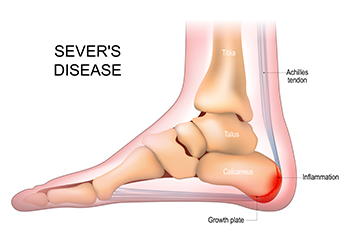
The plantar fascia spans from the heel to the forefoot and extends into the base of the toes. The calf muscle, including the gastrocnemius and soleus muscles, combine and attach at the heel to form the Achilles tendon. The soleus muscle attaches to the tibia and fibula below the knee and the gastrocnemius muscle extends and attaches above-the-knee.
It is important to think of the leg and foot including the gastrocnemius and soleus muscle as one functional unit. Or think of these muscles as one cable extending from above-the-knee along the back of the calf to the heel bone and then extending out to the forefoot. Of this entire complex, the most stretchable portion includes the gastrocnemius and soleus muscles.
The calf muscles are the most flexible components of this functional unit. As a result, this portion of this functional unit is where stretching is most important.
Why stretch
Walking, running and even standing in one place creates tension from the calf muscles that are attached and inserted into the heel bone. The plantar fascia extends from the heel bone to the forefoot and effectively completes this triangle. Therefore, there is always tension on the plantar fascia with any weight bearing activity and effectively it is the ligament of the bottom of the arch. When you're walking, the minute the heel comes up off the ground the plantar fascia becomes engaged and further tightens up as the great toe flexes upward during propulsion. As this action occurs in the plantar fascia, it tightens up and tends to help stabilize the arch. In some cases the arch height actually goes up. Therefore, the plantar fasciitis is clearly dynamic throughout the gait cycle and its functions very. But during many of these functions it has significant tension and traction at its origin site, the calcaneus. Individuals with tight calf muscles have more tension pulling on the heel bone and this effectively translates to tension and the fascia also.
For example, think of a woman who has worn high heel shoes her whole life. After period of several years, without stretching the calf muscle will tighten up and adapt to this high heel position. Therefore this individual has very tight calf muscles. So, when this particular individual goes from high-heeled shoes that they were most the time to a flat shoe or athletic shoe the calf muscle becomes quite a bit tighter. This additional tension will put more traction on the heel bone and effectively to the next connection which is the plantar fascia. Stretching may help compensate for this along with a night splint.
See more about plantar fasciitis and treatments.
Our next post (Part Two: Stretching for plantar fasciitis) will feature the different kinds of stretching techniques that can be used for plantar fasciitis.
Issaquah Foot and Ankle Specialists
BestFootDoc.com
Did you know that we have developed a dedicated resource for heel pain sufferers?
SeattleHeelPain.com
Posted by Issaquah Foot and Ankle Specialists on Wed, Apr 27, 2011 @ 02:59 PM
Shin splints are painful and often many people believe that they must simply deal with the pain. However, this is simply not correct.Shin splints are slow healing and painful, so if you suffer from shin splints preventing this pain is the best course of action.
Shin splints are most commonly caused by running, or participating in sports that require frequent hard stops and starts such as tennis or basketball. Running on slanted surfaces can also cause shin splints. 
People who suffer from shin splints will often notice tenderness, soreness, or pain in the lower part of the leg. Mild swelling may occur and there may be noticeable pain when pointing your toes downward.
Often this condition can be avoided by using proper footwear or if necessary custom prescription orthotics. There may be biomechanical problems that may have helped cause this type of injury. A biomechanical gait analysis will identify if your gait (your particular movement) is the cause of your pain and if prescription orthotics will help.
Treatment
Rest to allow the injury to heal and apply ice early on, when experiencing the pain. Stretching the lower leg muscles can also help to ease the discomfort.
Custom orthotics are used to treat many foot and ankle disorders. If you experience heel pain, plantar fasciitis, arch pain or shin splints you may consider custom orthotics to give your feet the relief they need and avoid future injuries.
Issaquah Foot and Ankle Specialists
BestFootDoc.com
Did you know that we have developed a dedicated resource for heel pain sufferers?
SeattleHeelPain.com
Posted by Issaquah Foot and Ankle Specialists on Fri, Feb 25, 2011 @ 10:53 AM
Thousands of people seek medical attention for a sprained ankle each year. Ankle sprains are very common and happen when an unnatural movement (such as a roll, twist or turn) occurs, which can stretch or tear the ligaments that help hold the ankle together.
You should always seek medical attention with a sprained ankle so the severity of the sprain can be assessed and a proper treatment plan can be put in place.
Something that our doctors will recommend to many of their ankle sprain patients is at-home exercises, which will help speed up the recovery process and re-build the strength needed in the ankle. There are three main reasons why exercises are crucial for patients to perform:
- It's imperative to restore to normal what's known as "range of motion"
- Strength must be rebuilt so a repeat injury isn't more likely to occur
- The nerves, muscles and ligaments in the ankle need to be retrained to respond to the body's different movements
To begin, some gentle range of motion exercises are recommended. These can include "writing" the alphabet with the big toe. Wearing an active ankle or other ankle brace while doing this exercise may help reduce swelling and pain. Keeping an ice pack on the ankle while doing this exercise can also be helpful.
After a few days of "writing" the alphabet, you may be able to move on to other stretches, such as the towel stretch. Fold a towel lengthwise and position it around your forefoot. Gently flex your foot upward.
Please keep in mind that before starting these exercises, you need to be evaluated by a doctor to determine if these exercises are right for you.
Issaquah Foot and Ankle Specialists
BestFootDoc.com
Did you know that we have developed a dedicated resource for heel pain sufferers?
SeattleHeelPain.com
Posted by Tim Young on Wed, Feb 16, 2011 @ 10:24 AM
The most important thing to remember when exercising with plantar fasciitis is to use pain as your guideline. Runners can be prone to plantar fasciitis due to a developing overuse injury. Once the plantar fasciitis starts, with continued exercise or impact activity, it continues to get worse. By the time it is bad enough that something needs to be done, there is already significant underlying enlargement and swelling of the plantar fascia.

It is important to remember that plantar fasciitis has both an inflammatory component and mechanical component. From a mechanical standpoint, it is important to immediately stop doing impact exercise or activities. Here are some tips for relieving pain causing by plantar fasciitis:
- No impact exercise. Low-impact activities such as aqua jogging and stationary cycling are great alternatives.
- Using of a night splint to help stretch out the the calf muscle.
- Aggressive stretching, but making certain to stretch the calf, not the foot.
- Taping the foot especially for any limited impact activities or weightbearing activities.
- Using a Bledsoe plantar fasciitis brace
- Replacing worn out shoes and wearing shoes with excellent support.
- For significant cases, the use of prescription orthotics is ideal.
- Massage therapy and ASTYM physical therapy massage
From an anti-inflammatory standpoint, the plantar fascia itself is almost always inflamed and this inflammation can be addressed by various approaches:
- Icing the foot for least 20 minutes directly after physical activity and in the evening
- An over-the-counter anti-inflammatory can be utilized per label instructions. But, it is important to realize that this can mask the pain and it is possible to then overdo it because one might think that it is healed when it is not.
- Some forms of physical therapy such as ultrasound therapy or electrical stimulation provide an anti-inflammatory effect ORIF physically decrease deep swelling (edema).
- A cortisone injection can be beneficial. Ideally, this should be directed at the interface between the plantar fascia and the fat pad and not within the plantar fascia. An injection within the fascia increases the risk of a tear of the fascia.
More aggressive treatments:
Exercise guidelines:
- Use pain as a reference to your allowable activity level.
- When you are in the acute phase of plantar fasciitis with pronounced pain in the morning and when you get up from sitting, it still too early to return to exercise.
- Initially, non-weightbearing exercises may be tolerated without an increase in pain that day or the following morning.
- Use of a recumbent bike, swimming or aqua jogging
After several weeks (or even a month or longer), the following are good exercise options: elliptical machine, rowing machine, outdoor cycling and spinning class.
The last phase would be returning to the most pronounced impact activities such as running, basketball or other impact sports. There should be 90-95% improvement with minimal pain before returning to these impact activities.
Relapse:
If you start to increase your activity level, but start having increased pain levels, you have gone too far too fast. It is time to back off very quickly. Remember that some forms of mechanical support will allow you to do more and pay less of a price.
Issaquah Foot and Ankle Specialists
BestFootDoc.com
Did you know that we have developed a dedicated resource for heel pain sufferers?
SeattleHeelPain.com
Posted by Issaquah Foot and Ankle Specialists on Fri, Jan 21, 2011 @ 11:26 AM
Plantar fasciitis is commonly found in athletes and runners as a result of their extensive running and exercise. Plantar fasciitis occurs when the plantar fascia, which is the long, flat ligament on the bottom of the foot, stretches irregularly and develops small tears that cause the ligament to become inflamed. The pain that occurs from the inflammation is most commonly found to occur in the early morning after a long period of rest. Putting sudden weight on the foot after it's been at rest of an extensive period of time causes stress on the area and sudden pain will occur. However, the pain should subside once the foot has been walked on for a while.
Since runners are especially prone to developing plantar fasciitis, extra precautions need to be taken to help prevent this problem from occurring. Utilize the tips below to help reduce the chances of developing plantar fasciitis:
- Rest regularly. When running long distances, it's important to rest intermittently in order to relieve constant stress on the plantar fascia.
- Change your routine gradually. Do not suddenly start an aggressive routine. Ease into a new routine by gradually increasing distance and difficulty.
- Stretch. Make sure to stretch the entire body before running and pay special attention to the plantar fascia.
- Choose proper shoewear. Runners should always wear shoes that fit properly and support the heel and arch of the foot.

When feeling the type of pain that occurs with plantar fasciitis, it is best to stop running. Additional strain on the heel will aggravate the area even more and will cause the pain to become even more severe. Alternative exercises, such as swimming and pool exercises, are recommended so additional strain is not put on the plantar fascia.
If you have experienced or are experiencing symptoms of plantar fasciitis, please contact us to make an appointment.
Issaquah Foot and Ankle Specialists
BestFootDoc.com
Did you know that we have developed a dedicated resource for heel pain sufferers?
SeattleHeelPain.com
Posted by Issaquah Foot and Ankle Specialists on Wed, Jan 12, 2011 @ 01:19 PM
A neuroma is an inflamed nerve that is caused by a compression or trauma. The most common neuroma of the foot is a Morton's neuroma, which occurs between the third and fourth toes, but neuromas can occur in other locations in the foot as well.
Anything that causes compression or irritation of the nerve can lead to the development of a neuroma. A puncture wound or laceration that injures the nerve can also cause a neuroma to form. These types of neuromas are referred to as traumatic neuromas. Neuromas can also occur following a surgery that may result in the cutting of a nerve. People with certain foot deformities such as bunions, hammertoes, flatfeet or more flexible feet or anyone that participates in repetitive activities such as running or court sports are at a higher risk for developing a neuroma.
If you have a neuroma, you may experience one or more of the following symptoms:
-Tingling, burning and/or numbness in the foot and toes
-Pain when walking
-A sensation of walking on a lump or something being inside the ball of the foot
If you are experiencing any of the above symptoms, don't hesitate to come in to see us. A physical examination will be performed and tests or imaging studies will be done if necessary. Early diagnosis greatly lessens the need for more invasive treatments and may help avoid surgery, so see us as soon as your symptoms begin.
To help decrease the pain, try some of the following tips:
-Stay off your foot as much as possible to decrease the swelling.
-Avoid activities that aggravate the pain such as climbing stairs or walking hills.
-Wear low-heeled shoes or flat shoes when possible.
-Ice the ball of the foot for 20 minutes once or twice a day to decrease pain and swelling.
We have urgent care available so please contact us at (425) 391-8666 if you are experiencing foot pain.
Issaquah Foot and Ankle Specialists
BestFootDoc.com
Did you know that we have developed a dedicated resource for heel pain sufferers?
SeattleHeelPain.com
Posted by Issaquah Foot and Ankle Specialists on Tue, Jan 04, 2011 @ 01:23 PM
Most people aren't aware that healthy eating habits can help prevent overuse injuries in regular exercisers, such as plantar fasciitis, from occurring. Proper nutrition itself cannot fully prevent injuries from overtraining or improper shoewear, but specific eating habits can play a role in a thorough injury prevention strategy.

Since your diet is the foundation to your body structure, it only makes sense that proper nutrition will allow your body to withstand a half marathon or an intense cycling session and assist you in finishing injury-free. There are four specific eating habits that will help you reduce your risk of injury:
1) Make sure you eat enough. One of the biggest mistakes that can be made when it comes to injury prevention is to eat too few calories. When your body doesn't receive enough calories through the food that you consume, it will enter what is called a catabolic state, which simply means that your muscles will begin eating themselves to meet their tissue maintenance and energy needs. Catabolism hinders your body's ability to repair the tissue damage that occurs during a workout, which slows muscle recovery and increases your risk of injury.
In order to figure out if your eating enough, keep an eye on our workout performance, your body weight and your body composition. When you aren't consuming enough calories, you'll notice a decline in your workout performance. Furthermore, if you're in a catabolic state, your body weight will go down while your body fat percentage will remain stable, which indicates that you're losing muscle, not fat.
2) Don't forget to include fat in your diet. Most people shy away from fat due to the bad reputation it has received, but fat is vital in creating healthy cell membranes that are resistant to damage during exercise. Certain types of fat are also key ingredients in compounds that participate in the inflammation process, which can prevent small injuries from turning into larger ones.
Studies show that athletes who had the lowest injury risk got roughly 30 percent of their daily calories from fat, which is a good percentage to aim for as long as you're consuming the right kinds of fat. Make sure that no more than 10 percent of your total daily calories comes from saturated fat and try to ingest twice as much unsaturated fat as saturated fat. Omega-3 essential fats are also vital to your diet, so try to consume around 3,000 mg per day.
3) Keep your calcium intake high. Calcium is the most important nutrient for bone health and is especially key for those with low bone density. The recommended daily intake of calcium is 1,000 to 1,300 mg, but the average person consumes only 500 to 700 mg daily. Try to incorporate more calcium in your diet by consuming three servings of low-fat or non-fat dairy foods per day or take calcium supplements, which some studies say is more effective than dairy foods in maintaining bone density.
4) Eat the proper times. When you eat is just as important in preventing injuries as what you eat. Muscle and joint tissue damage that occurs during your workout is repaired most quickly in the two hours immediately after the workout, provided that you eat within that time frame. The most important type of food to consume is protein, but recent studies have shown that consuming protein along with carbohydrates is even better because carbs stimulate muscle protein synthesis as well as replenish depleted muscle glycogen stores, which is crucial in preventing injuries.
Issaquah Foot and Ankle Specialists
BestFootDoc.com
Did you know that we have developed a dedicated resource for heel pain sufferers?
SeattleHeelPain.com
Posted by Issaquah Foot and Ankle Specialists on Wed, Dec 22, 2010 @ 11:00 AM
With the holidays upon us, it’s going to be 2011 before we know it. With a new year comes new resolutions and at the top of most people’s lists is starting or re-starting an exercise routine. This is a great plan in concept, but if you haven’t been exercising regularly, start slow. A rapid increase in physical activity can cause stress fractures, which are the most common overuse injuries of the foot and ankle. Stress fractures result from a series of loading and unloading cycles that cause damage to the bone. If these forces continue and the bone is not able to repair itself fast enough, a fracture may occur.

To prevent stress fractures from happening, make sure to take these measures when exercising:
-Stretch to warm up before you start your routine
-Select the proper footwear for the exercise you are partaking in
-Focus on strengthening your calf muscles
-Build up your workout routine gradually, especially if you haven’t exercised in a while
-Make sure to always cool down properly after a workout by stretching
Even with prevention, stress fractures can still occur. If you notice any of these symptoms after exercising, contact us immediately at (425) 391-8666: pain in the foot or lower leg that persists more than 72 hours, swelling of the foot or leg that persists for more than 24 hours, pain at rest or with elevation of the leg or pain which increases with exercise or walking. We offer same day appointments and are equipped with a Medicare-certified surgery center so you don’t have to spend unnecessary time and money at the emergency room. Stay safe and start slow!
Issaquah Foot and Ankle Specialists
BestFootDoc.com
Did you know that we have developed a dedicated resource for heel pain sufferers?
SeattleHeelPain.com